
01
Instruments & Equipment
Understand the instrument, its voices and the equipment that lets it travel from workshop to stage.
The Bellows Atlas · A global English reference
Italian accordion culture is a network of hands, places, voices and listening habits. We map it with useful questions, primary sources and an atlas that keeps the connections visible.

Seven broad doors
Each door has a clear commercial language and a real editorial boundary. The articles keep the technical precision inside the door.
01
Understand the instrument, its voices and the equipment that lets it travel from workshop to stage.
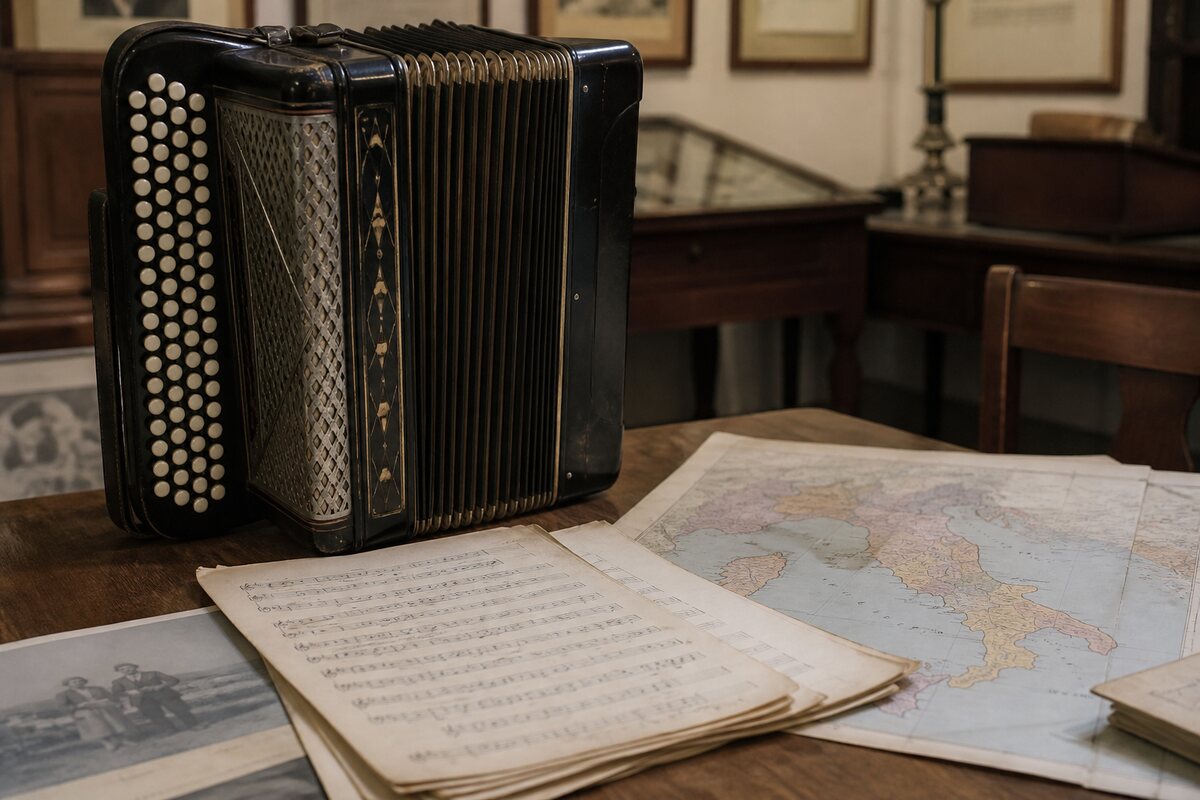
02
Follow the instrument through regional traditions, repertoire, listening and the places that give its sound meaning.
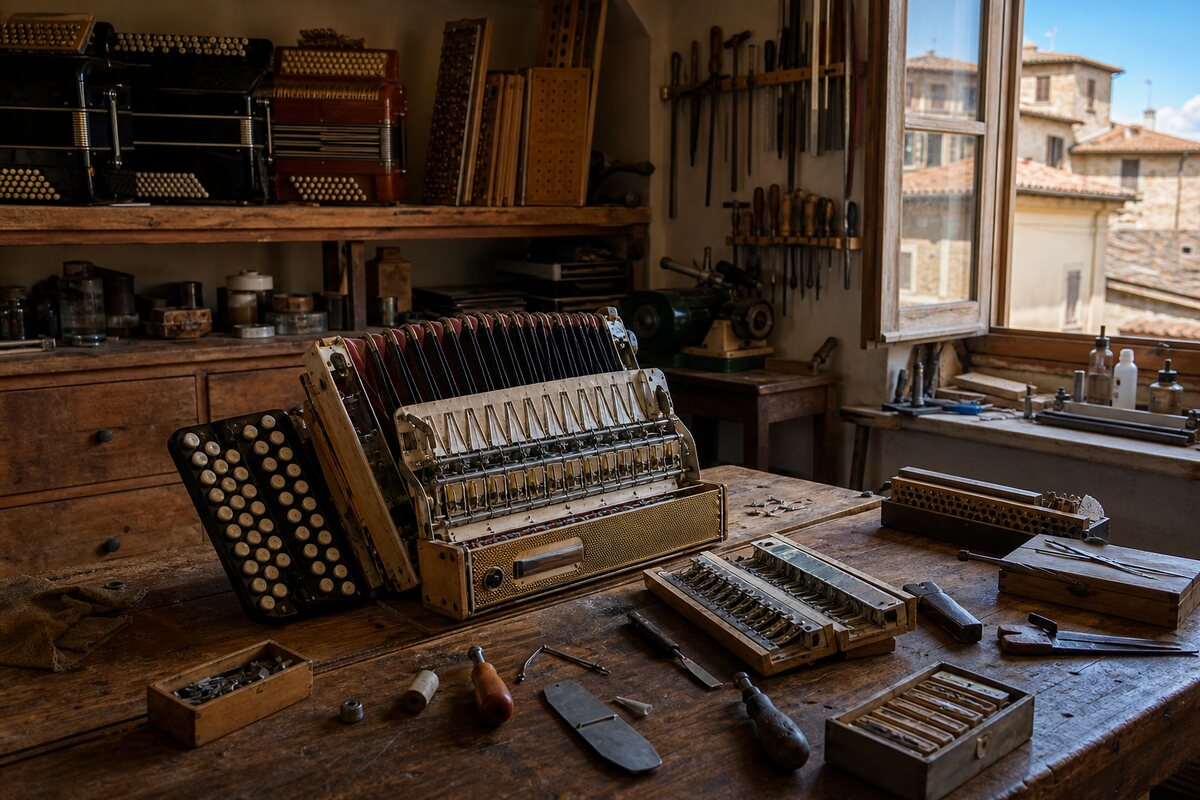
03
Meet the players, stages and competition traditions that turned Italian accordion into a living performance language.
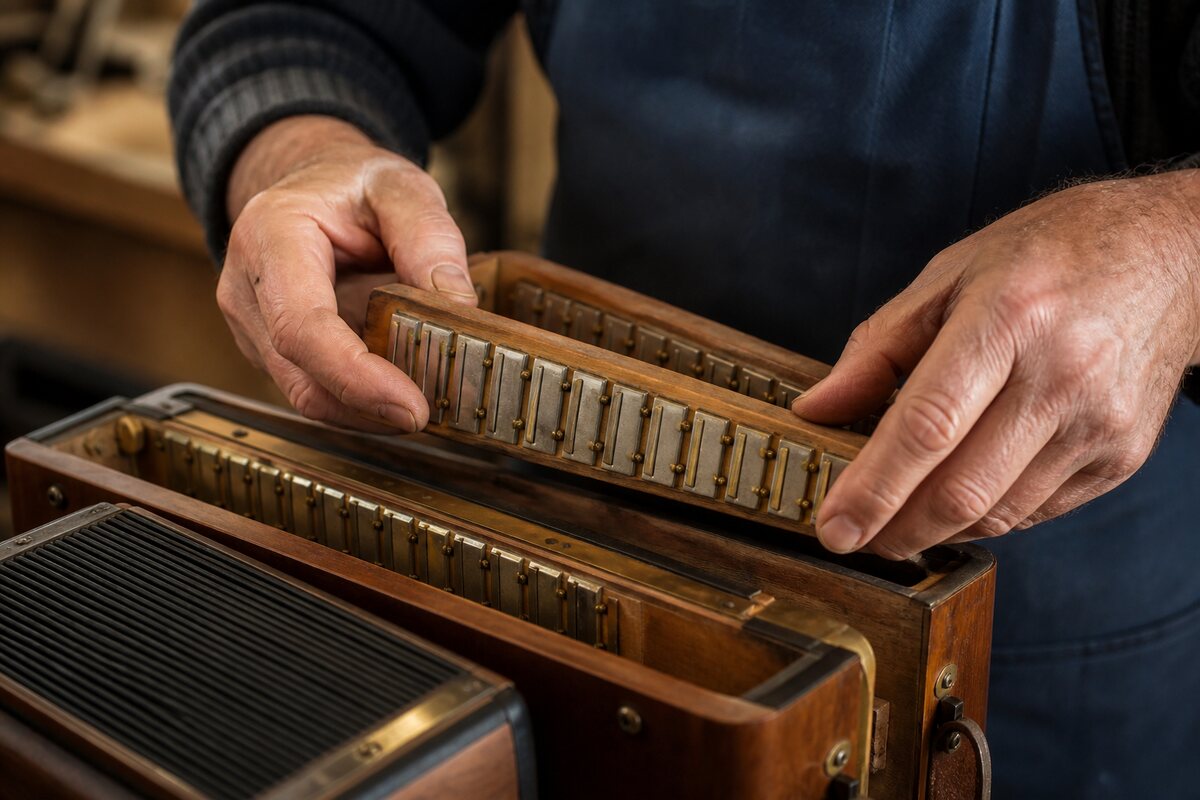
04
Practical notes for students, teachers and curious listeners, from bellows control to the left hand.
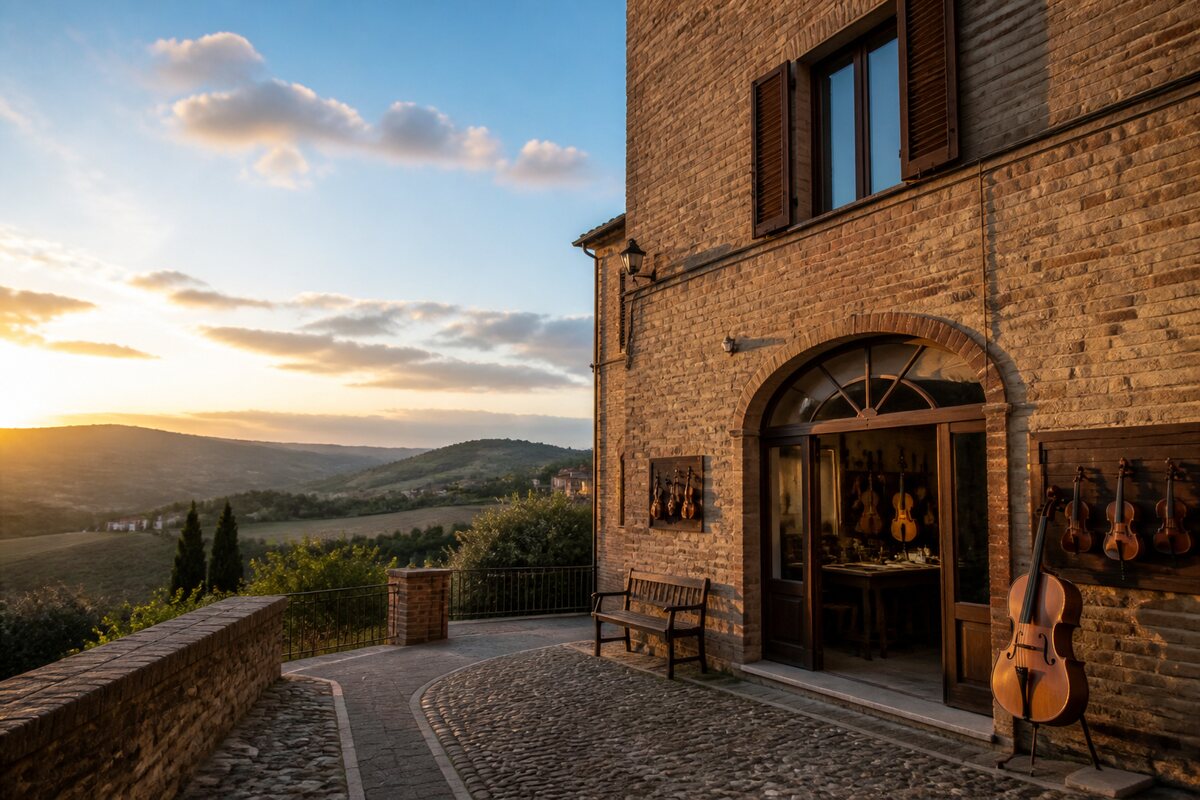
05
Inspect, compare and document an instrument before you commit money, time or a place in your collection.
06
Know the daily habits that protect bellows, reeds and finishes, and the signs that call for a qualified technician.

07
Track festivals, competitions, museum moments and dated notes from the Italian accordion world.
The signature resource
A structured index connecting makers, models, artists, pieces, Italian regions, styles and historical recordings. Every relationship is a path for further reading, not a claim without a source.
Field notes
Short routes into place, craft, listening and practice. Every note carries a date and a source.
How Paris flea markets, auction houses and dealers work, and what to check before buying antique furniture, silver or Asian objects in the city.

Dark Swords, the English-language MMORPG by High Tow, is examined through the interests of accordion readers: craft, materials, maintenance and documented
A method-led look at responsible dress for accordion players and listeners: fewer garments, better fibres, longer wear, and care that respects the instrument.

Scale modelling in Italy: kit subjects, dioramas and railway scales, and how the hobby connects to Italian industrial and musical heritage.

How family roles, leisure choices and personal style shape an alternative wedding ceremony, with practical planning steps and a legal framework.
Built for trust
Original images, source notes, preserved routes and a clear correction path. No external scripts, no recycled archive media and no invented model certainty.
Atlas foundations
These guides, references and articles stay on the front door because they are useful starting points. They are revisited as sources change, keeping the atlas dependable for players, listeners, students and collectors.
A grounded guide to hearing instrument, dance, place and local vocabulary together before reaching for a broad regional label.
The structured reference connects makers, models, artists, regions, styles and recordings so each path leads to a better question.

A practical lesson for noticing how bass movement supports phrasing, accompaniment and the social pulse of a performance.
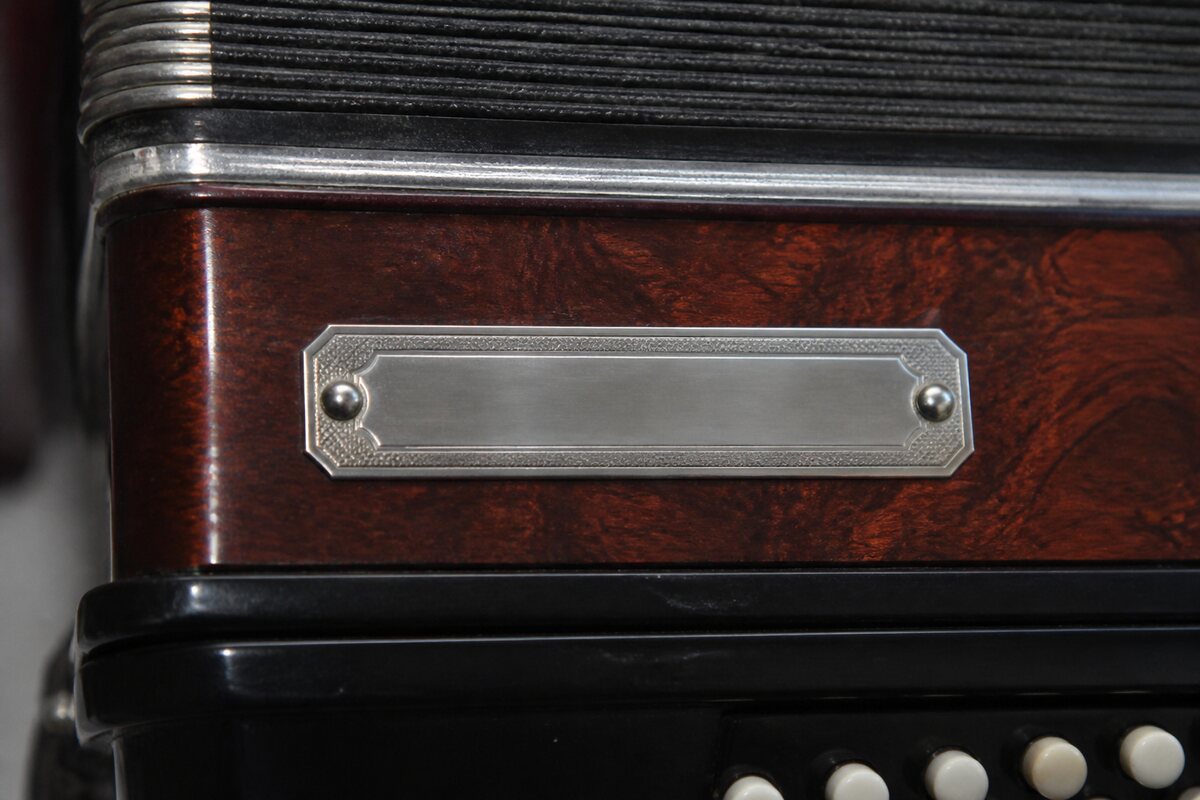
A useful care note separates safe daily handling from symptoms that belong in a qualified technician’s hands.
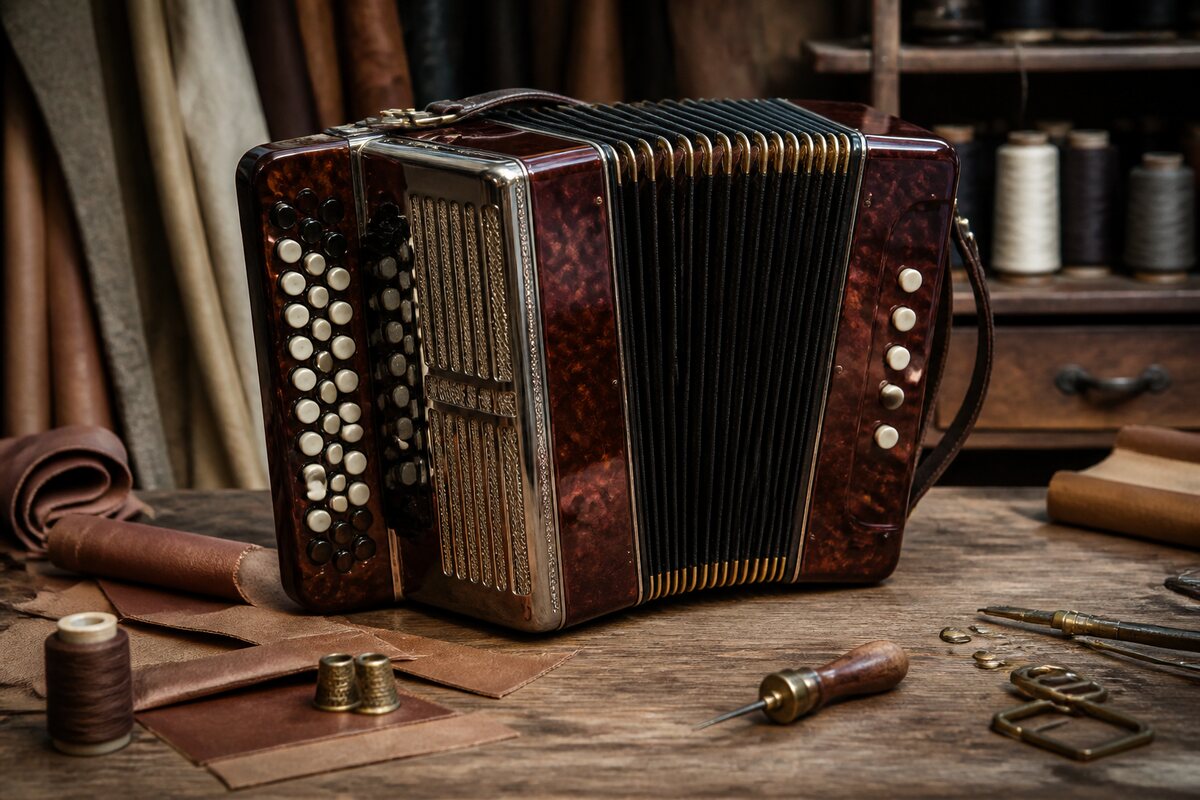
A sourced route from museum objects and maker histories to the competitions and performance communities that travel beyond one town.
Listening beyond the atlas
For the next step in the chain, this English reading notebook follows how a voice or a song moves through a room, a signal and a broadcast.

07
Read a clear account of microphones, studio wiring, loudness and the structures that carry recorded sound beyond its first room.
07
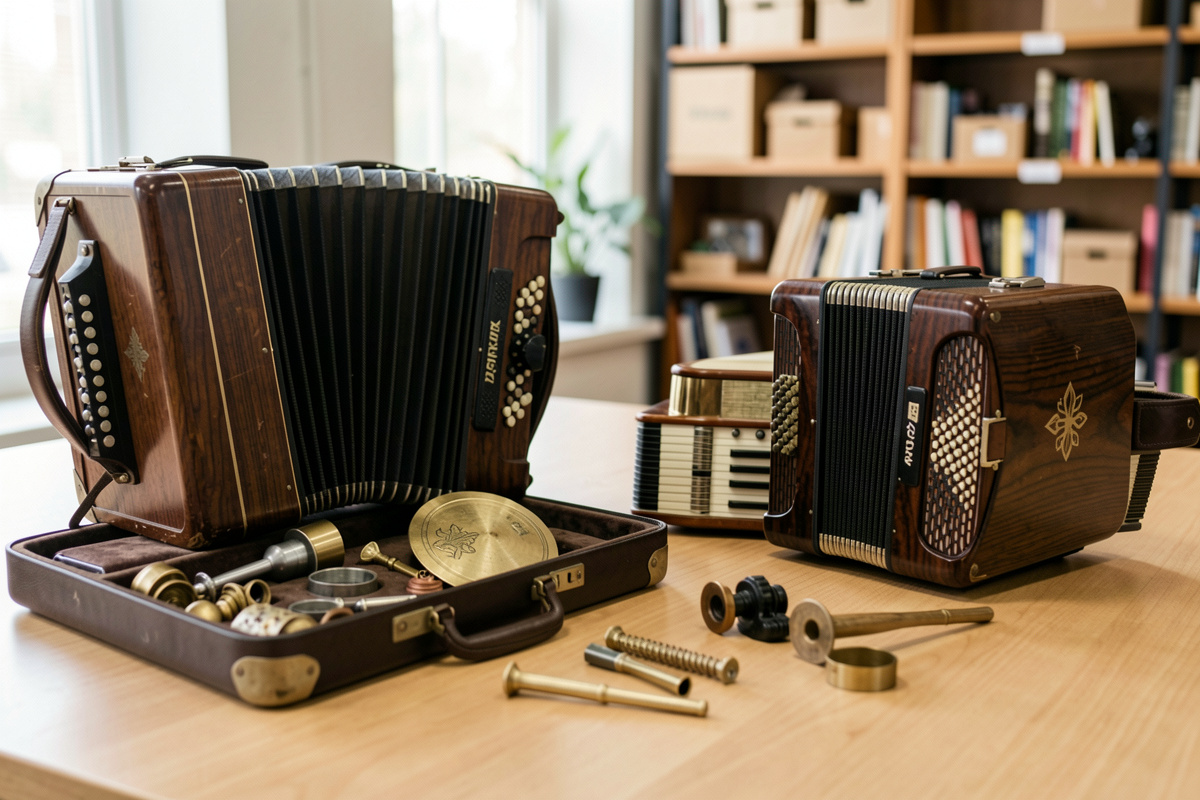
For readers who follow how instruments and other goods move through supply chains, on retail and shipping shifts, a reference point when tracing where accordion parts and finished instruments travel.
07
Readers who consult primary documents alongside historical context may also find documented in a source-led guide to his speeches, proclamations and meditations on providence.
07
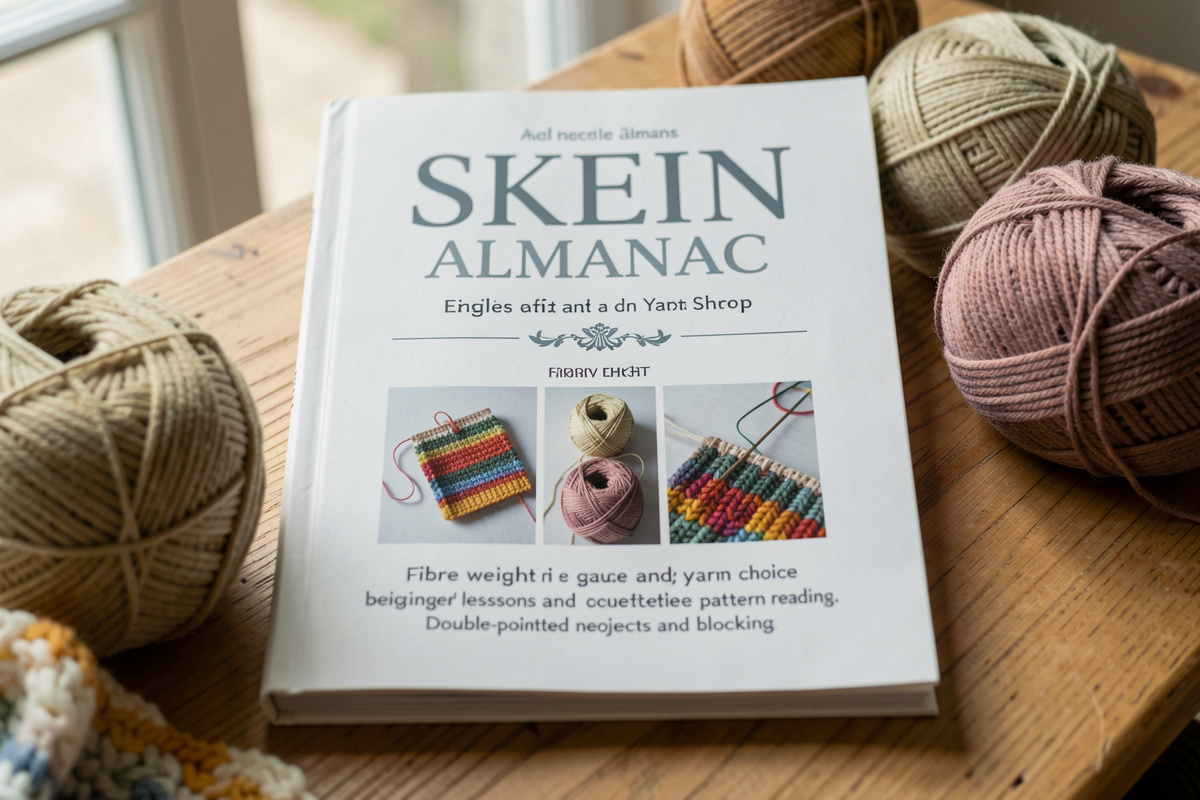
The Skein Almanac, an English knitting and crochet almanac tied to a yarn shop, covers fibre weight, gauge and yarn choice, beginner lessons and pattern reading, plus double-pointed needle projects and blocking, at .

07
For readers who follow independent music beyond the accordion, and local scenes, from first singles and rehearsal rooms to album production, venue door policy and interviews.

07
Readers curious about what happens between grain and glass will find a practical journal on brewing, covering mash temperatures, fermentation and beer styles at .
07
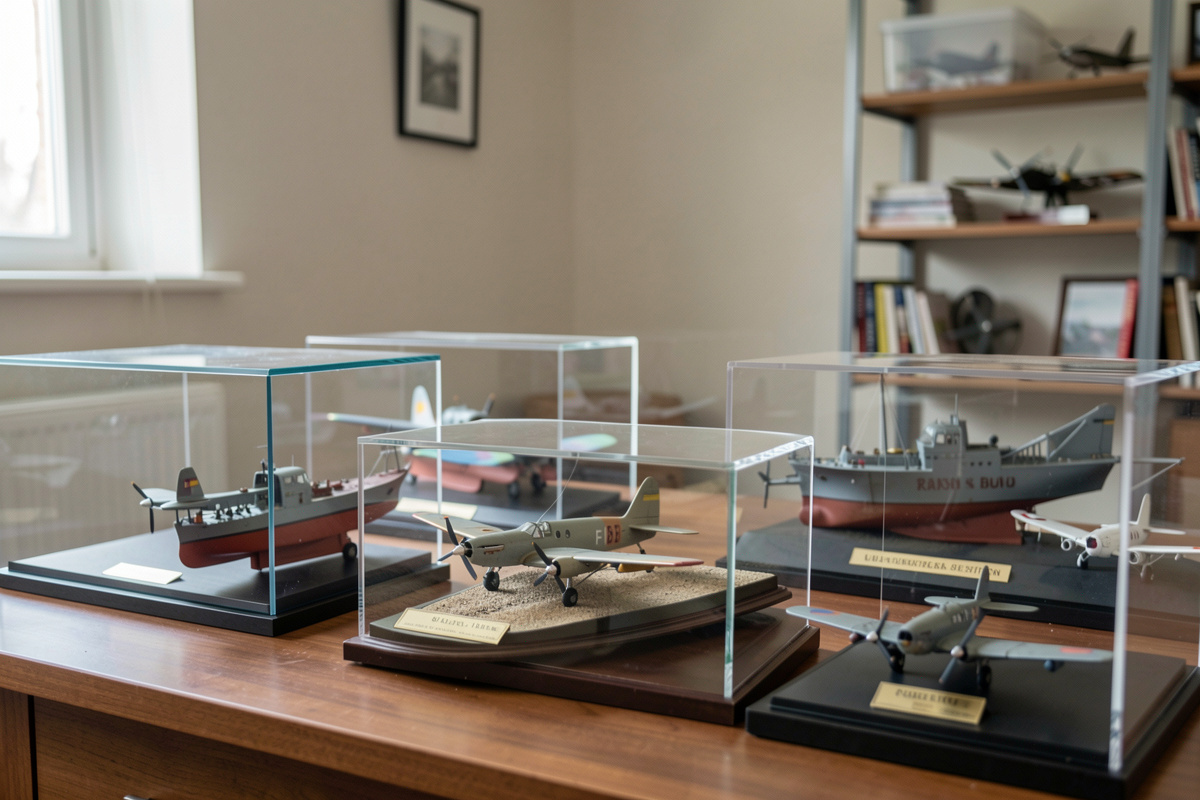
For readers who finish a build and then face the question of where it lives, covers kit selection, pre-purchase inspection and display cases for aircraft and ship models.

07
Readers curious about the Ancestral Puebloan world can turn to this , which covers Chaco Canyon, Mesa Verde cliff dwellings, pottery types and site etiquette, much as this atlas documents Italian accordion makers.